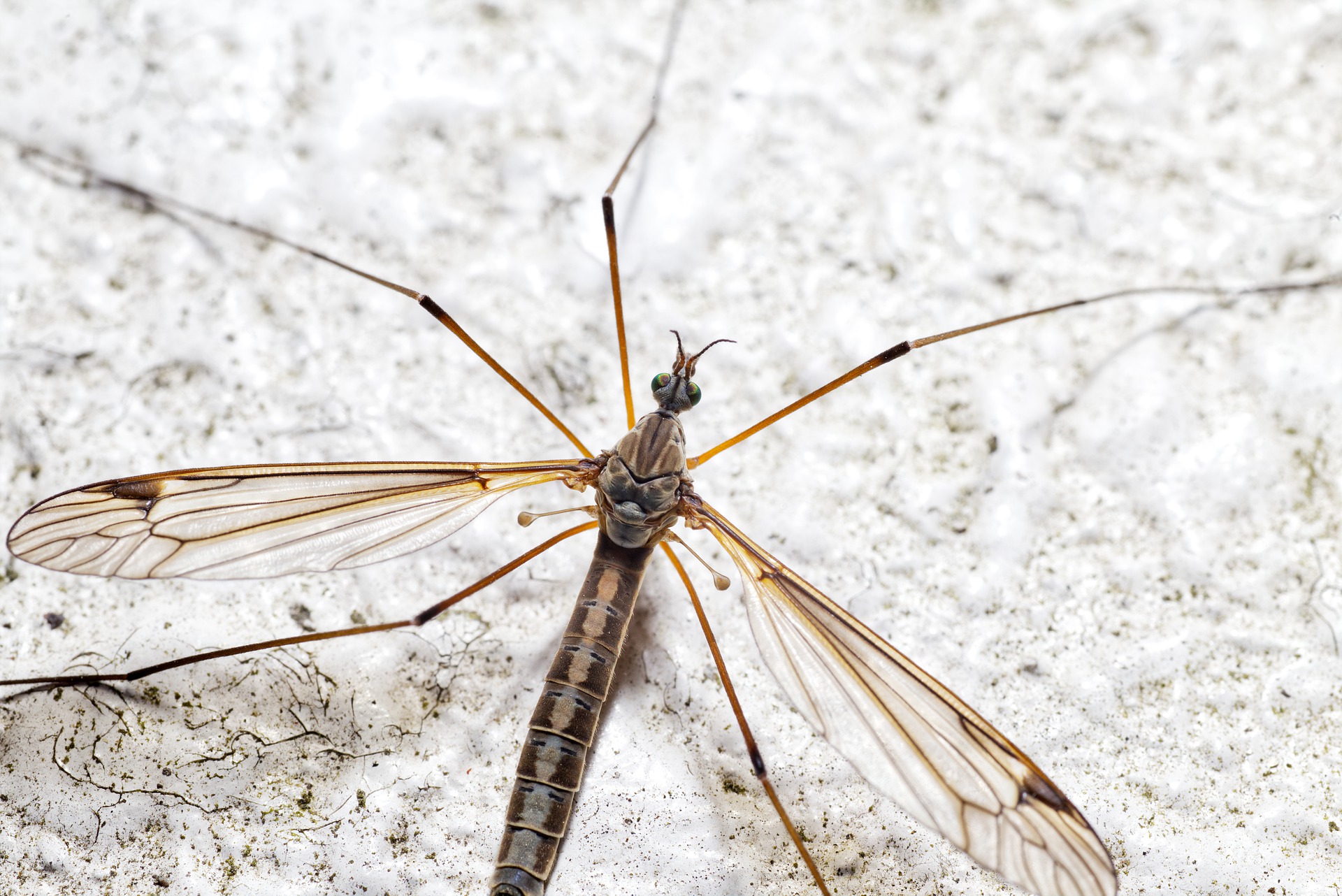
Crane Flies
Crane flies are sometimes called “mosquito eaters” or “mosquito hawks,” but adult crane flies do not bite people and do not feed on adult mosquitoes.
Adult crane flies are usually long-legged and slender. They may look like oversized mosquitoes, but they have non-piercing mouthparts.
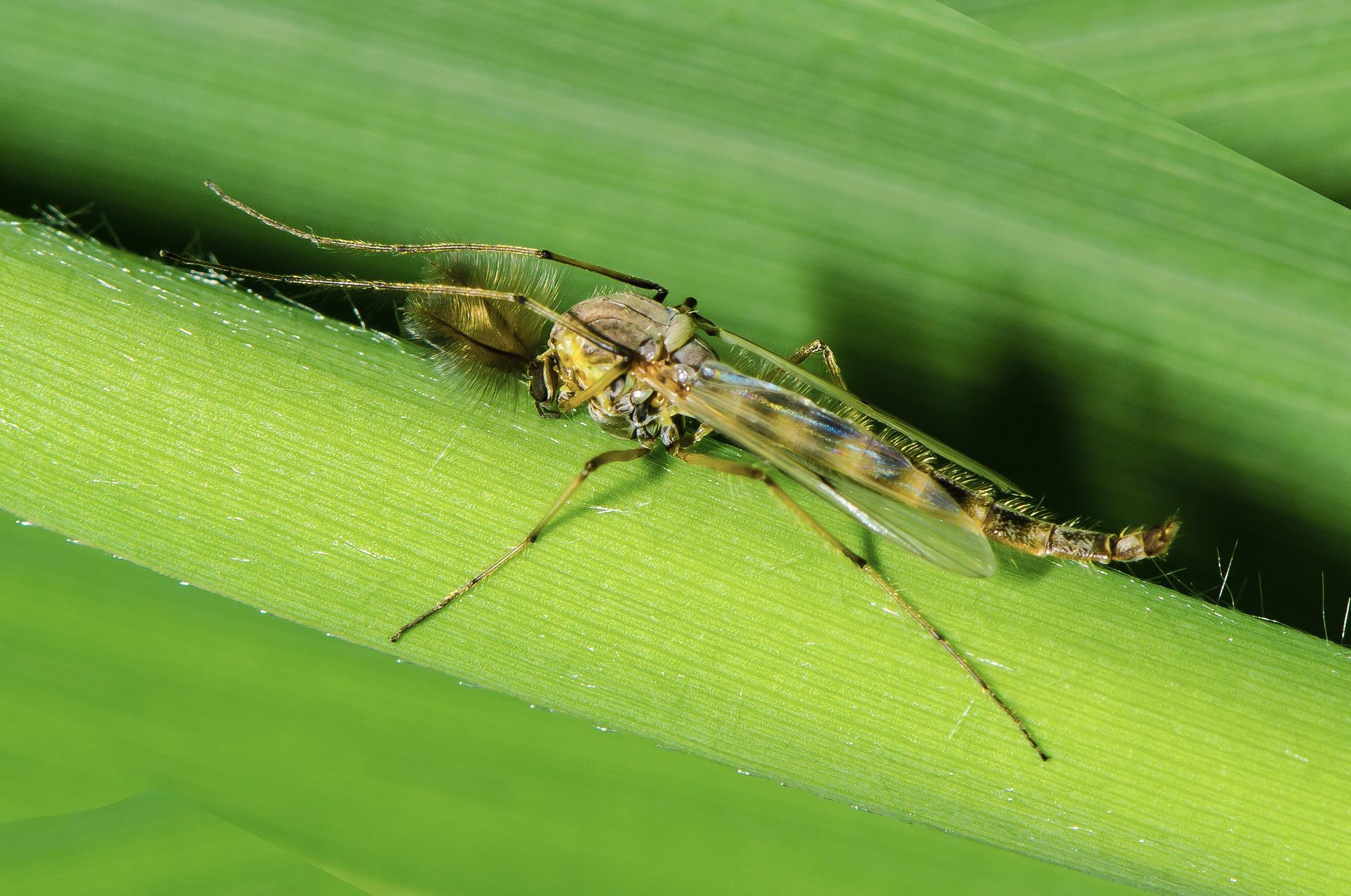
Midges
Midges are small flies that can resemble mosquitoes and may gather in large swarms near lakes, ponds, reservoirs, and other aquatic areas.
They are often a nuisance from spring through late summer, especially around sunset, but non-biting midges do not bite people.
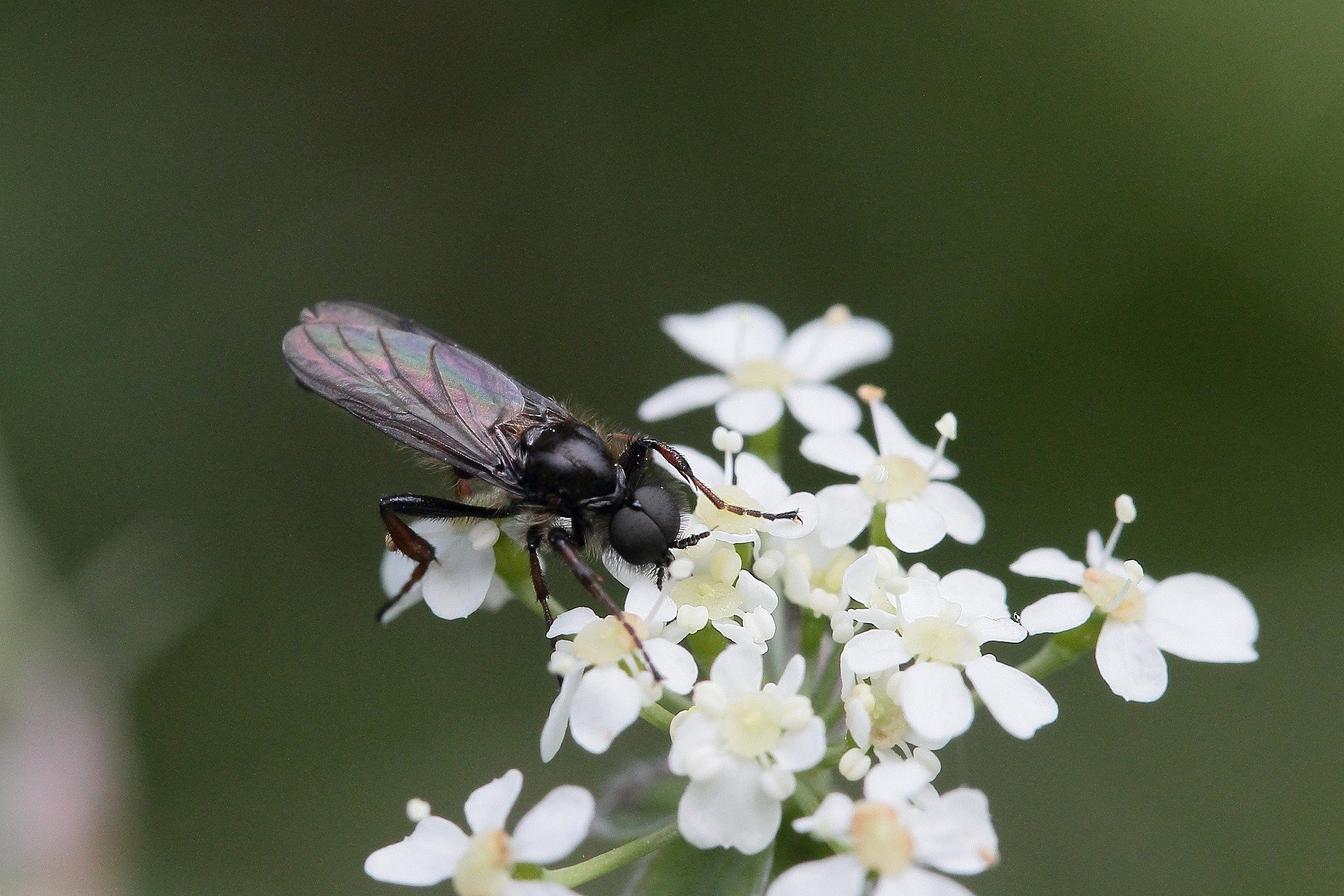
Gnats
Gnats are small, delicate-looking flies that are often found near moist organic material, compost, potted plants, or decaying vegetation.
Adult gnats are generally weak fliers and are usually considered nuisance insects rather than a mosquito control concern.
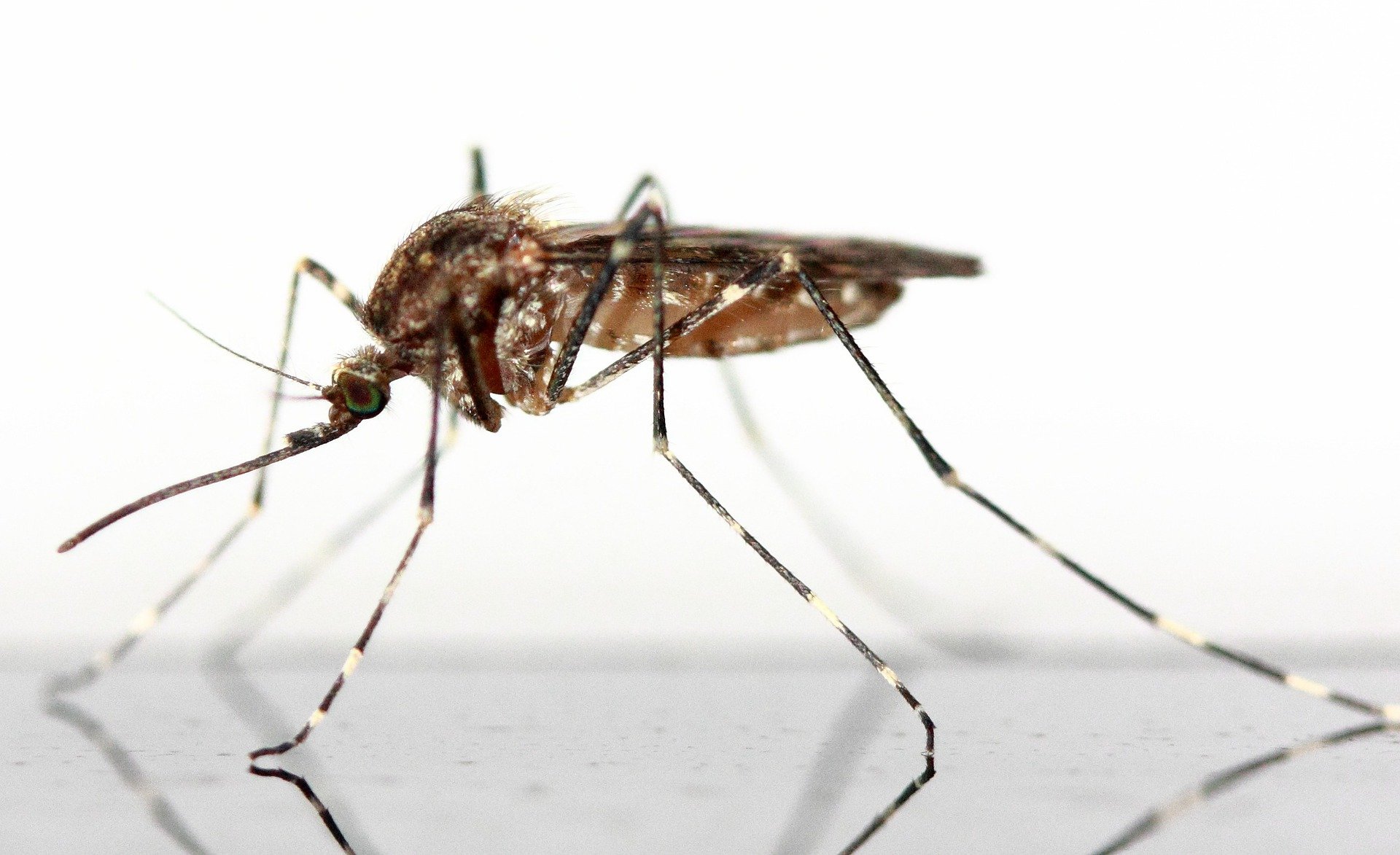
Mosquitoes
Mosquitoes can be identified by their long piercing mouthpart, called a proboscis, and scales on the veins of their wings.
Female mosquitoes may bite people or animals because they need a blood meal to help produce eggs.
The Mosquito Life Cycle
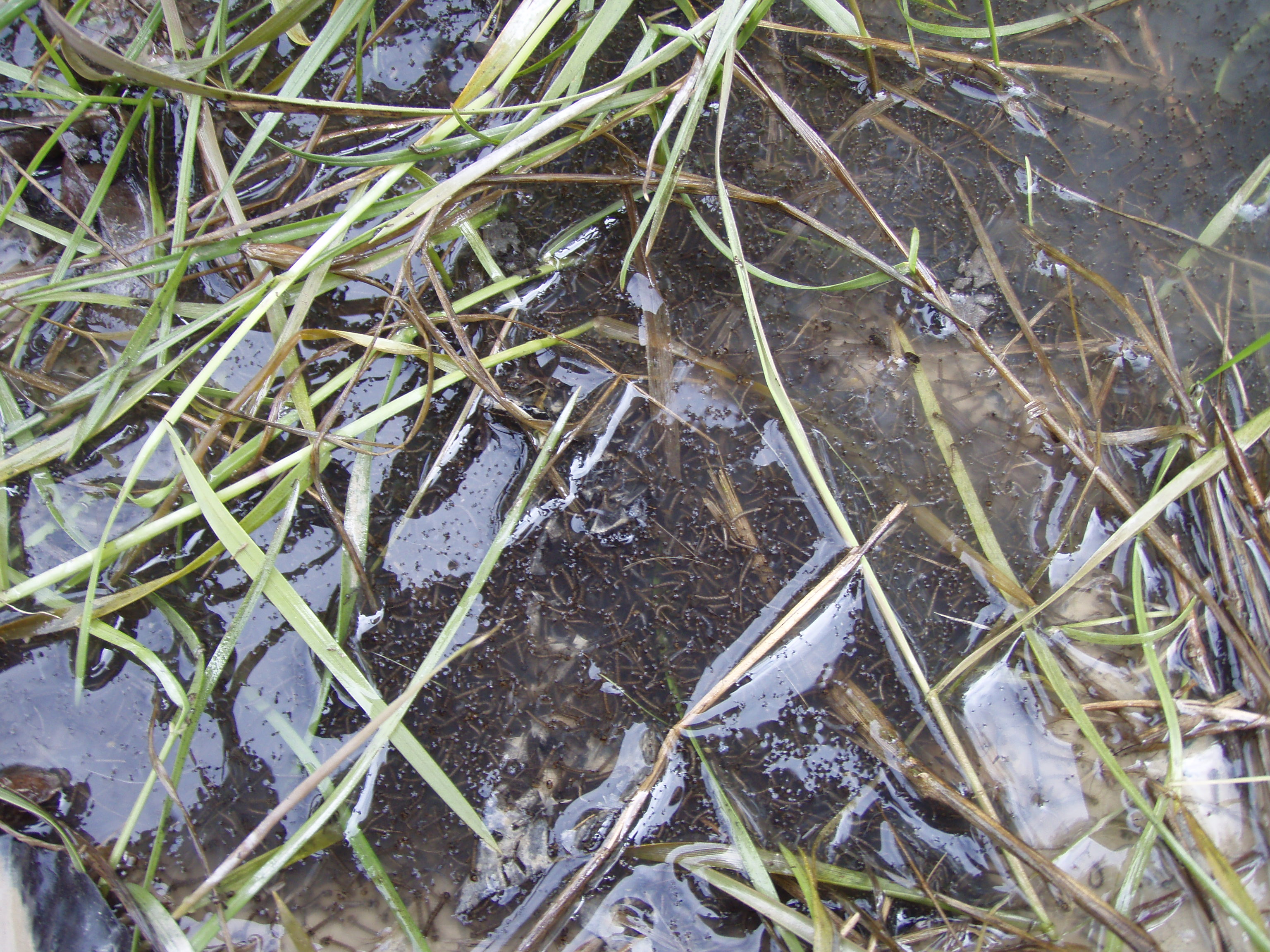
Mosquitoes go through four life stages: egg, larva, pupa, and adult. The larval and pupal stages are aquatic, which means they happen in water.
- Egg Female mosquitoes lay eggs on or near water. Some eggs hatch within days, while others can remain dormant until flooding or wet conditions return.
- Larva Larvae live in water and feed on tiny organisms near the surface. Many mosquito larvae breathe through an air tube and may swim in an “S” motion when disturbed.
- Pupa Pupae also live in water. They do not feed, but they are active and can tumble downward when disturbed. This stage is short before the adult mosquito emerges.
- Adult Adult mosquitoes emerge from the water. Male mosquitoes feed on plant nectar. Female mosquitoes also feed on nectar, but many species need a blood meal to produce eggs.
Montana Mosquitoes of Concern
In Montana, floodwater mosquitoes such as Aedes vexans are often responsible for severe outdoor nuisance biting. Culex tarsalis is also important because it can play a role in spreading West Nile virus.
These mosquitoes use water differently, but both show why habitat reduction and surveillance are important parts of mosquito control.
What Attracts Mosquitoes?
Standing Water
Water is required for mosquito development. Buckets, tires, bird baths, low areas, clogged gutters, stock tanks, and other water-holding places may produce mosquitoes.
People and Animals
Female mosquitoes can locate hosts by sensing carbon dioxide, body heat, and other chemical signals. This is one reason mosquitoes may be more noticeable when people gather outdoors.
Turn Biology Into Prevention
Because mosquitoes need water to develop, the most useful prevention step is to remove, drain, cover, or refresh water-holding items around your property.
Learn How to Control Mosquitoes Learn About Mosquito-Borne Diseases
Mosquito Control
Alex Carlon
(406) 751-8145
Mosquito Control
David Nixon
406-751-8140